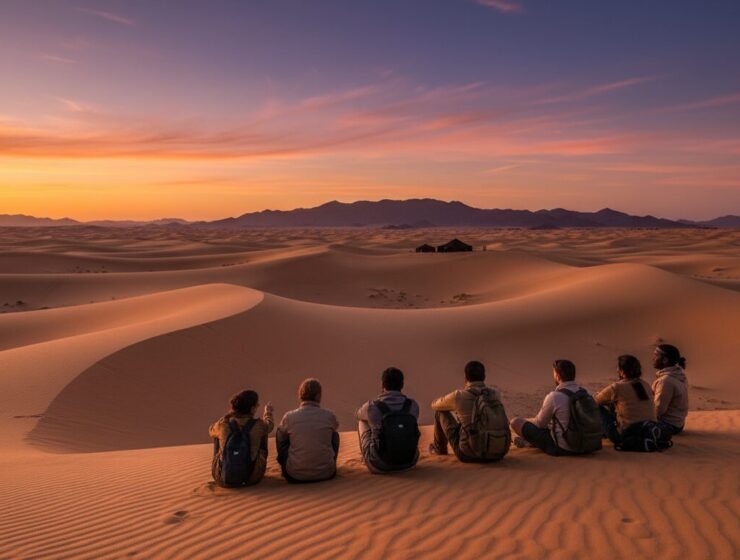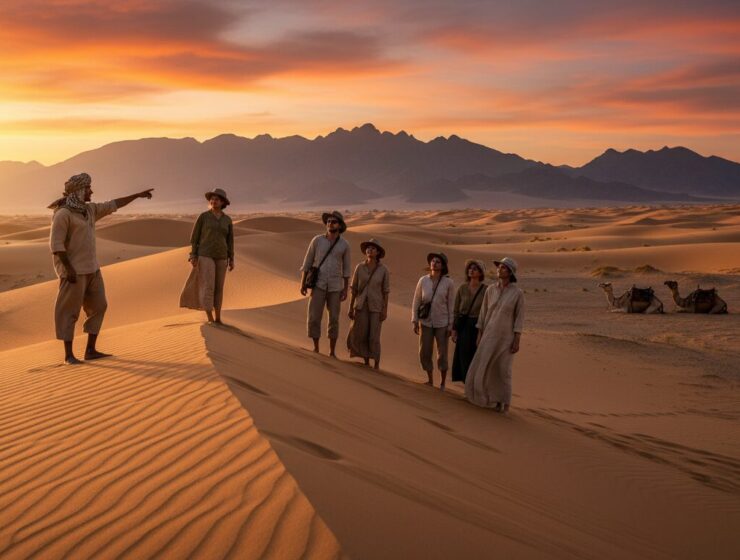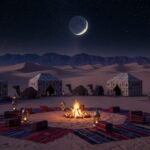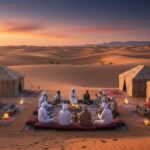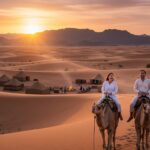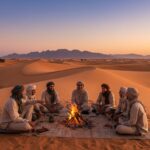
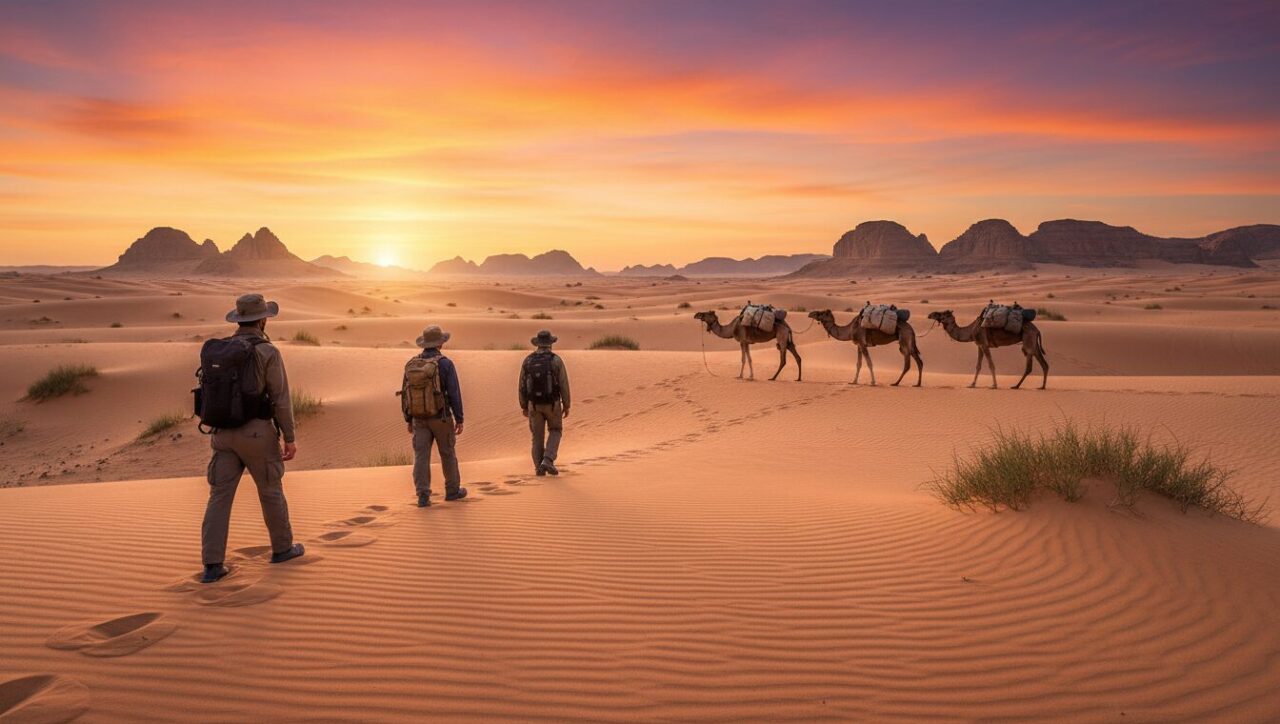
Imagine standing at the edge of a vast, golden sea. The Sahara Desert stretches out before you like an endless ocean. The allure of Morocco’s vast expanses and the adventures they offer is irresistible. As you venture into the Sahara’s majestic dunes, you’ll uncover secrets that have captivated travelers for centuries.
You are about to embark on a journey that will take you deep into the heart of the desert. The rhythm of the sand and the silence of the stars will leave you in awe. With Sahara adventures waiting around every dune, you’ll experience the magic of Desert travel Morocco like never before.
Key Takeaways
- Explore the vast expanses of the Sahara Desert in Morocco
- Experience the thrill of Sahara adventures amidst majestic dunes
- Discover the secrets of the desert that have captivated travelers for centuries
- Immerse yourself in the unique culture and beauty of the Moroccan desert
- Enjoy a journey that will leave you in awe of the desert’s natural beauty
Introduction to Desert Travel in Morocco
Explore the magical Sahara Desert in Morocco, known for its golden dunes and starry skies. This journey reveals the secrets of a place that has fascinated travelers for ages.
Why Visit the Moroccan Desert?
The Moroccan desert offers a mix of adventure, culture, and natural beauty. You can see the massive dunes of Erg Chebbi, watch stunning sunsets, and enjoy the desert night’s calm under the stars.
Experience the Rich Culture: Meet the local Berber communities, learn their traditions, and enjoy their warm welcome. The desert is more than a landscape; it’s a way to discover Morocco’s rich culture.
A Brief Overview of the Sahara
The Sahara Desert, the world’s largest hot desert, stretches across North Africa. Morocco’s Sahara is known for its accessible and stunning landscapes. You can go on camel treks, sandboarding, and more, making it perfect for all travelers.
| Desert Experience | Description | Location |
|---|---|---|
| Camel Trekking | Explore the desert on camelback, a traditional mode of transport | Merzouga, Erg Chebbi |
| Sandboarding | Slide down the sand dunes, an adrenaline-packed adventure | Zagora, Erg Chebbi |
| Desert Camping | Experience the tranquility of the desert under the stars | Various locations across the Sahara |
When planning your Sahara desert vacations, think about all the experiences you can have. From the desert’s serene beauty to the lively cultural encounters, Morocco’s desert promises unforgettable memories.
Planning Your Trip to the Sahara
The Sahara Desert calls to adventurers, but a well-planned trip is essential. As you get ready for your Marrakech desert tours or camel trekking excursions, knowing the basics of desert travel is key.
Best Time to Travel to Morocco
The best time to see Morocco’s Sahara Desert is from October to April. These months have cooler temperatures, perfect for trekking and exploring the dunes.
Summer can be very hot, with temperatures up to 120°F (49°C) during the day. Winter nights can be cold, so bring layers for your trip.
| Month | Average High Temperature (°F) | Average Low Temperature (°F) |
|---|---|---|
| January | 63 | 39 |
| April | 82 | 54 |
| July | 108 | 73 |
| October | 86 | 57 |
Essential Packing List for Desert Travel
Having the right gear is important for a good desert trip. You’ll need:
- Lightweight, breathable clothing
- Warm layers for cooler nights
- Sturdy hiking boots
- Sun protection (sunscreen, sunglasses, hat)
- Reusable water bottle
- First-aid kit
Passport and Visa Requirements
Before going to Morocco, make sure your passport is valid for at least six months after your planned leave date. You might need a visa, depending on your nationality.
Visit the Moroccan embassy or consulate in your country to find out if you need a visa.
Popular Destinations in the Moroccan Desert
Morocco’s desert is full of amazing places. You can find adventure, peace, and culture here. Each spot has its own special charm and things to see.
Merzouga: The Gateway to Erg Chebbi Dunes
Merzouga is a small village near Erg Chebbi, famous for its dunes. It’s a great place for desert adventures. You can go camel trekking or stay in Berber camps.
Enjoy the stunning sunrises and sunsets. You can also explore the local plants and animals.
Zagora: Where the Desert Meets the Mountains
Zagora is a town in southeastern Morocco. It’s where the desert meets the Atlas Mountains. You can hike, ride camels, or visit Berber villages here.
The town is calm and beautiful. It’s perfect for those who want a real desert experience.
The Valley of a Thousand Kasbahs
The Valley of a Thousand Kasbahs is between the High and Anti-Atlas mountains. It’s filled with ancient kasbahs and Berber villages. You can hike or drive through, visit families, and stay in traditional places.
These places show the beauty of the Moroccan desert. From Merzouga’s dunes to the Ounila Valley’s kasbahs, there’s adventure, culture, and peace to find.
Unique Experiences in the Sahara
Exploring the Sahara reveals a world of unique adventures. The vast desert offers many experiences. You can dive into its beauty and rich culture.
Camel Trekking Adventures
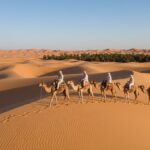
Camel trekking is a key Sahara experience. Riding a camel across the dunes feels like a journey through time. You can pick from short trips to long ones, camping under the stars.
Camel Trekking Tips:
- Wear comfy clothes and a hat for sun protection.
- Carry lots of water to stay hydrated.
- Enjoy the peaceful desert views.
Sleeping Under the Stars in a Berber Tent
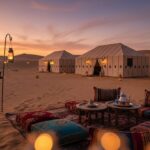
Sleeping under the desert stars is unforgettable. Many camps have Berber tents with comfy beds. At night, the desert lights up with stars, creating a magical scene.
The desert night is perfect for stargazing.
Exploring Ancient Berber Villages
The Sahara has many ancient Berber villages. Visiting them gives a peek into Berber life. You can see local markets, meet people, and learn about their traditions.
| Experience | Duration | Highlights |
|---|---|---|
| Camel Trekking | Several hours to days | Crossing dunes, camping under stars |
| Berber Tent Stay | Overnight | Stargazing, desert tranquility |
| Berber Village Visit | Half-day to full-day | Cultural immersion, local markets |
Each experience in the Sahara offers a unique view of its beauty and culture. Whether trekking, sleeping under stars, or visiting villages, your Sahara adventure will be memorable.
Cultural Insights for Travelers
Before you dive into the Moroccan dunes, knowing the local culture is key. The Berber people, native to the Sahara, have a rich history and unique traditions. These are worth learning about.
The Rich History of the Berber People
The Berbers, also known as Amazigh or Imazighen, have lived in the Sahara and Atlas Mountains for thousands of years. Their culture is built on community and a deep bond with the land. At Berber camps in Morocco, you can dive into their traditions and way of life.
Local Traditions and Customs
Moroccan culture is a mix of Berber, Arab, and Mediterranean influences. In the desert, Berber customs are alive and well. For example, they have a strong tradition of storytelling, music, and dance. You can see these customs during Moroccan dunes exploration, at cultural events or festivals.
Important Etiquette to Follow
When you meet locals, it’s important to respect their customs. Simple actions, like dressing modestly and using your right hand, show respect. Also, learning a few Berber or Arabic phrases can be very appreciated.
By embracing these cultural insights, your trip will be more meaningful. You’ll connect more deeply with the people and places of the Sahara.
Adventure Activities in the Desert
Morocco’s desert is perfect for thrilling adventures. You’ll find many exciting activities in the Sahara. They suit all interests and thrill levels.
Sandboarding on the Dunes
Sandboarding is a fun activity in the Sahara. It’s like snowboarding but on sand. You can speed down Erg Chebbi or Erg Chigaga dunes.
Many tour operators provide the gear and guides. This ensures a safe and fun ride.
Sandboarding tips: Wear comfy clothes and protective gear. This includes goggles and gloves for safety.
Off-Roading and 4×4 Tours
The Sahara is great for off-roading and 4×4 tours. These adventures take you through sand dunes and rocky paths. Experienced drivers guide you, making it thrilling.
Choose a reputable tour operator with skilled drivers and good vehicles. This ensures a safe and fun trip.
Hot Air Ballooning over the Sahara
Hot air ballooning over the Sahara is peaceful and scenic. As the sun rises, you see the desert from above. It’s a calm adventure with stunning views.
The Sahara offers many adventures. You can sandboard, go off-roading, or balloon above it. Each activity shows the desert’s beauty in a unique way.
Culinary Delights of the Desert
Moroccan cuisine is a journey for your senses in the desert. It combines aromatic spices, fresh ingredients, and traditional cooking. This creates a unique taste experience. Exploring the Sahara Desert lets you try local dishes that show Morocco’s rich culture.
Traditional Moroccan Cuisine
Moroccan food is diverse, shaped by Arab, Mediterranean, and African cultures. Spices, herbs, and preserved lemons make Moroccan dishes special. Tagine, a slow-cooked stew, is a key part of Moroccan food.
Making traditional Moroccan meals is a family affair. It’s about sharing food and showing hospitality. This is a big part of Moroccan culture.
Must-Try Dishes While Traveling
On a Marrakech desert tour, try these dishes:
- Tagine: A slow-cooked stew with meat, vegetables, and dried fruits.
- Couscous: A North African dish from semolina flour, served with vegetables and meat.
- Harira: A soup with tomatoes, lentils, and chickpeas.
- B’stilla: A savory pie with flaky pastry, meat, onions, and spices.
Local Markets and Food Experiences
Visiting local markets, or souks, is key to Moroccan cuisine. These markets have fresh produce, spices, and sweets. Street food vendors also offer local treats.
For a deeper culinary experience, try a local cooking class. Many are in Marrakech. They let you learn to make traditional Moroccan dishes before your desert trip.
Sustainable Travel in the Sahara
When you travel to the Sahara, it’s important to travel sustainably. This helps keep the desert beautiful and supports local people. The Sahara is huge, with endless sand dunes and a rich culture.
Supporting Local Communities
Helping local communities is a big part of sustainable travel in the Sahara. You can do this by:
- Staying in places owned by locals
- Going on tours led by the community
- Buying things from local artists and markets
Eco-friendly Travel Practices
Traveling in an eco-friendly way is key to not harming the Sahara. You can:
- Use less plastic with reusable bottles and bags
- Save water and energy while you’re there
- Respect animals and their homes
Choosing tour operators that care about the environment is also important.
Responsible Wildlife Viewing
Watching wildlife needs to be done responsibly. This means:
- Staying far away from animals
- Don’t litter or feed wildlife
- Support efforts to protect wildlife
Responsible wildlife viewing makes your trip better and helps protect the Sahara’s animals.
By following these tips, you can enjoy the Sahara’s beauty and help keep it safe for others in the future.
Travel Safety Tips
To have a safe and fun trip, knowing how to travel safely in the desert is key. The Morocco Desert is huge, with lots of sand and extreme weather. You need to plan and prepare well.
Health Precautions for Desert Travel
Traveling in the desert is tough because of the harsh weather. It’s very important to take care of your health to avoid dehydration, heatstroke, and other heat-related illnesses.
- Drink lots of water all day long.
- Wear clothes that protect you, like a hat, sunglasses, and sunscreen.
- Don’t travel when it’s hottest (usually 11 am to 3 pm).
Dehydration is a big risk in the desert. Knowing the signs early, like headaches and tiredness, helps you act fast.
Navigating Remote Areas Safely
Exploring the Sahara’s remote areas needs skill and the right tools. It’s easy to get lost in the huge desert.
- Use a GPS or a compass with a detailed map.
- Travel with a guide or a group if you can.
- Tell someone about your plans and when you’ll be back.
Always be ready for surprises by carrying emergency stuff, like a first-aid kit, extra water, and a way to call for help.
Dealing with Desert Weather
The desert weather can change quickly, with sandstorms and extreme temperatures being big challenges.
| Weather Condition | Safety Measure |
|---|---|
| Sandstorm | Stay in a vehicle or shelter, cover face and eyes |
| Extreme Heat | Stay hydrated, avoid hard activities during peak heat |
| Cold Nights | Bring warm clothes, use the right sleeping bags |
Knowing and getting ready for these weather conditions can make your trip safer and more comfortable.
Transportation Options in Morocco
Morocco has many ways to travel, from camel treks to road trips. Knowing your options is key for a great trip.
How to Get to Desert Destinations
To get to Morocco’s deserts, you can fly and then drive. Fly into cities like Marrakech or Fez. Then, take a bus, taxi, or rent a car to reach the desert.
Marrakech Menara Airport is a top spot for Sahara travelers. From Marrakech, you can drive to places like Merzouga or Zagora. You can also use public buses or taxis for a local feel. But, be ready for varying service quality and language issues.
Local Transportation: What to Expect
At your desert spot, you’ll find camel treks, 4×4 tours, or walking. Camel treks are fun and traditional. 4×4 tours are exciting for rough terrains. Walking is perfect for short trips and enjoying views.
Some desert camps and tour operators offer transport from towns. They offer shuttle buses or private rides. This makes getting around easier.
Planning a Road Trip Through the Sahara
Driving through the Sahara is exciting and flexible. You’ll need a 4×4 for the rough roads. Make sure your car has water, food, and a first-aid kit.
Plan your route well, considering road conditions and stops. Knowing your route and local conditions is vital for a successful trip.
With the right planning, your desert journey in Morocco will be safe and fun.
Desert Accommodation Choices
The Sahara Desert has many places to stay, from fancy resorts to affordable options. It’s perfect for anyone, whether you want luxury or to save money.
Luxury Desert Resorts
The Sahara has top-notch resorts for a luxurious stay. These places have lavish amenities like spas, fancy restaurants, and pools. They are built to look great in the desert, giving you a peaceful retreat.
Some of these resorts have private villas and personalized butler service. You can go camel trekking, sandboarding, or just relax under the stars.
Traditional Guesthouses and Camps
For a real desert experience, try traditional guesthouses and camps. They show you the local culture and way of life. Many are run by families, giving you warm hospitality and homemade meals.
Desert camps let you sleep under the stars in Berber tents. You can enjoy campfire cooking and local music and dance.
Budget-Friendly Options
There are many affordable places to stay in the Sahara. You can find basic guesthouses and campsites that are cozy but not expensive. These places are often near villages, letting you see local life up close.
When picking a budget option, think about what you need. Some places have shared facilities or communal areas. This is a great way to meet other travelers.
Guided Tours vs. Independent Travel
As you plan your Moroccan desert adventure, you must decide between guided tours and independent travel. Each choice has its pros and cons. Understanding these can help ensure your trip is exactly what you want.
Pros and Cons of Guided Tours
Guided tours provide a structured experience with many benefits. A knowledgeable tour leader will guide you through the terrain, culture, and local customs. This is very helpful in the vast Sahara Desert. Guided tours often include logistical arrangements, like transportation and accommodation, making planning easier.
But, guided tours may limit your freedom to explore at your own pace. You’ll be with a group, which might not match your travel style. Yet, some enjoy the social aspect of group tours, bonding with other travelers.
Planning Your Own Itinerary
Choosing independent travel lets you create your own itinerary. You can spend as much or as little time as you want at each place. This is great if you like making your own plans and enjoying spontaneity.
But, independent travel requires more effort and planning. You’ll need to research your route, book places to stay, and arrange transportation. This can be time-consuming. Also, exploring new areas without local knowledge can be tricky.
Recommended Tour Operators
If guided tours appeal to you, there are many reputable operators to choose from. Look for companies known for customer satisfaction, knowledgeable guides, and sustainable tourism. Some specialize in Sahara Desert adventures, with options from luxury to budget-friendly.
When picking a tour operator, read reviews, ask for recommendations, and compare what they offer. This helps you choose a tour that fits your travel goals and preferences.
Photography Tips for Capturing the Desert
Photographing the Sahara Desert needs both technical skill and creative vision. The changing landscapes and dramatic lights make it a challenge but also rewarding.
The Best Times for Golden Hour Shots
The golden hour, just before sunrise and after sunset, is perfect for desert photos. The soft light brings out the sand dunes’ textures and the landscape’s beauty, making stunning images.
To get the most from the golden hour, plan your shoot well. Get to your spot early to set up. Use a tripod for low light, as you’ll need slower shutter speeds.
Essential Gear for Desert Photography
The right gear is key for desert photos. A DSLR or mirrorless camera with changeable lenses is best. It lets you adjust to different conditions.
- A wide-angle lens (between 10-24mm) is great for big landscapes.
- A telephoto lens (70-200mm or more) is good for close-ups and distant shots.
- A strong tripod is vital for steady shots in low light.
- Protective gear, like a rain cover or lens cleaner, keeps your camera safe.
Composing Stunning Landscape Images
Good composition is essential for desert photos. Use lines, like sand dunes or dry riverbeds, to lead the viewer’s eye.
Try different angles, like low shots or high views, to add depth. Include foreground elements, like rocks or plants, for scale and context.
Exploring the Flora and Fauna
When you step into the Moroccan Desert, you enter a world unlike any other. Plants and animals here have learned to survive in the harsh Sahara. Despite the tough conditions, the desert is full of life.
Unique Desert Wildlife
The Sahara is home to many creatures that have adapted to its extreme weather. You’ll see fennec foxes with big ears and dorset gazelles on the plains. Look out for ostriches, hyenas, and many kinds of lizards and snakes.
The Desert Ecosystem
The desert’s ecosystem is both delicate and complex. Plants like cacti and succulents help animals survive when water is scarce. Insects and tiny organisms also play key roles in the desert’s health.
Seasonal Changes in Flora
The Sahara’s plants change a lot with the seasons. In the wet season, ephemeral plants bloom, making the desert colorful. But in the dry season, many plants hide or use deep roots to survive. Seeing these changes helps us appreciate the desert’s strength and beauty.
Exploring the Moroccan Desert’s plants and animals teaches us about this unique place. It shows us how life can thrive in such a challenging environment.
Staying Connected in Remote Areas
The Sahara Desert is stunning but also a challenge for staying connected. As you explore Morocco’s desert, knowing how to stay in touch is key for safety and fun.
Mobile Coverage in the Sahara
Mobile coverage in the Sahara has gotten better, but it changes a lot by location. Major Moroccan networks like Maroc Telecom, Orange, and Inwi work well in cities and main roads. But, deep in the desert, service can be hit-or-miss.
To stay connected, think about getting a local SIM card or a portable Wi-Fi hotspot. Here are some tips:
- Check Coverage Maps: Look at coverage maps from different providers before you go to see where you’ll have signal.
- Purchase a Local SIM: A local SIM card is cheap and gives you a Moroccan number.
- Portable Wi-Fi Hotspots: These are great for groups or anyone needing internet all the time.
Internet Access Tips
Mobile data is a main way to stay online, but there are other ways too:
- Desert Camps and Hotels: Many places in the desert offer Wi-Fi, but it might be slow.
- Satellite Internet: Satellite internet is an option for very remote spots, but it’s pricier.
- Offline Maps: Download offline maps on your phone to navigate without the internet.
Emergency Communication Options
For emergencies, having the right tools is essential. Here are some options:
- Satellite Phones: These are a must for places with no mobile signal. You can rent or buy them.
- Personal Locator Beacons (PLBs): PLBs are great for solo travelers or those in very remote spots.
- Emergency Apps: Apps like bSafe or Life360 let you share your location with loved ones.
Knowing your options for staying connected and planning ahead lets you enjoy the Sahara Desert adventure. You’ll be ready for anything that comes up.
Conclusion: Embrace the Sahara’s Wonders
Thinking about your next trip? The Sahara Desert in Morocco is calling with its golden sands, rich culture, and amazing adventures. Your Sahara trip will change you, letting you dive into North Africa’s stunning beauty.
Key Highlights of Your Sahara Adventure
The Sahara has it all: towering dunes, peaceful oases, and lively Berber communities. You can see ancient kasbahs, go camel trekking at night, or relax in a fancy desert resort. Every moment here is a chance to connect with nature, culture, and yourself.
Experience the Desert’s Magic
Traveling through Morocco’s desert is more than a trip. It’s a chance to explore the Sahara’s magical landscapes and warm people. Whether you love sandboarding, peaceful sunrises, or Berber history, the Sahara will capture your heart.
Plan Your Sahara Adventures
Ready to explore the Sahara? It’s a mix of natural beauty, culture, and fun activities. Start planning your Sahara trip and make memories that will last forever.